Finding Marokintana: Whale Sharks of Nosy Be, Madagascar
By: Chris Beard | Lead Explorer, Wild Expeditions
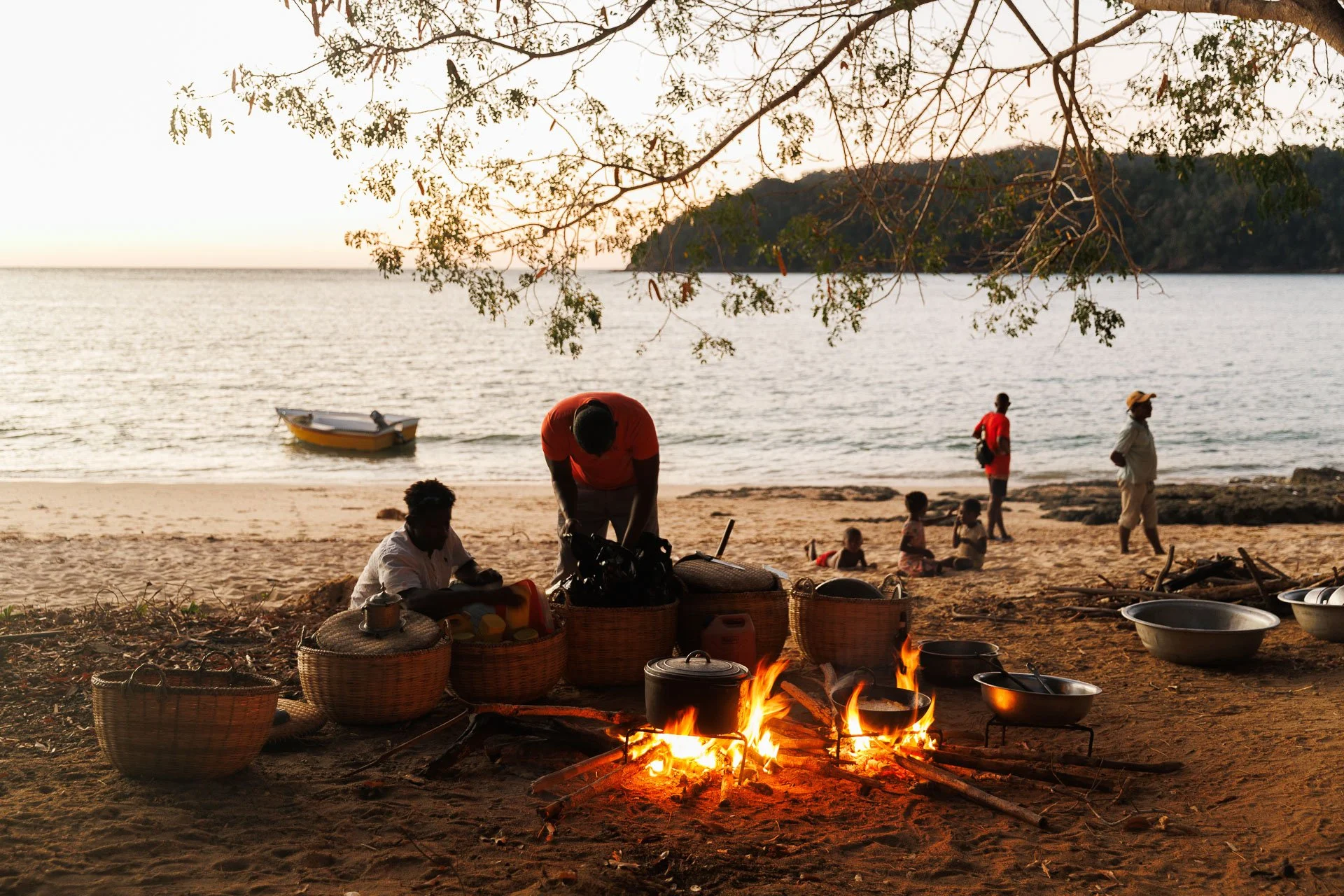
The first thing that hits you when you step off the plane in Nosy Be isn't the heat; it’s the sound of an island on the move. Chaotic airport passport control, a tiny baggage pickup, and the ever-present touting of tuk-tuk drivers get you into the swing of things immediately. Madagascar is one of the poorest places on earth, but it has a heart of gold—and its waters are some of the richest anywhere.
The Philosophy: Mora Mora and the Big Blue
In Madagascar, everything runs on "Mora Mora"—slowly, slowly. It’s not just a catchphrase; it’s a necessity. If you try to rush the ocean, you’ll see nothing.
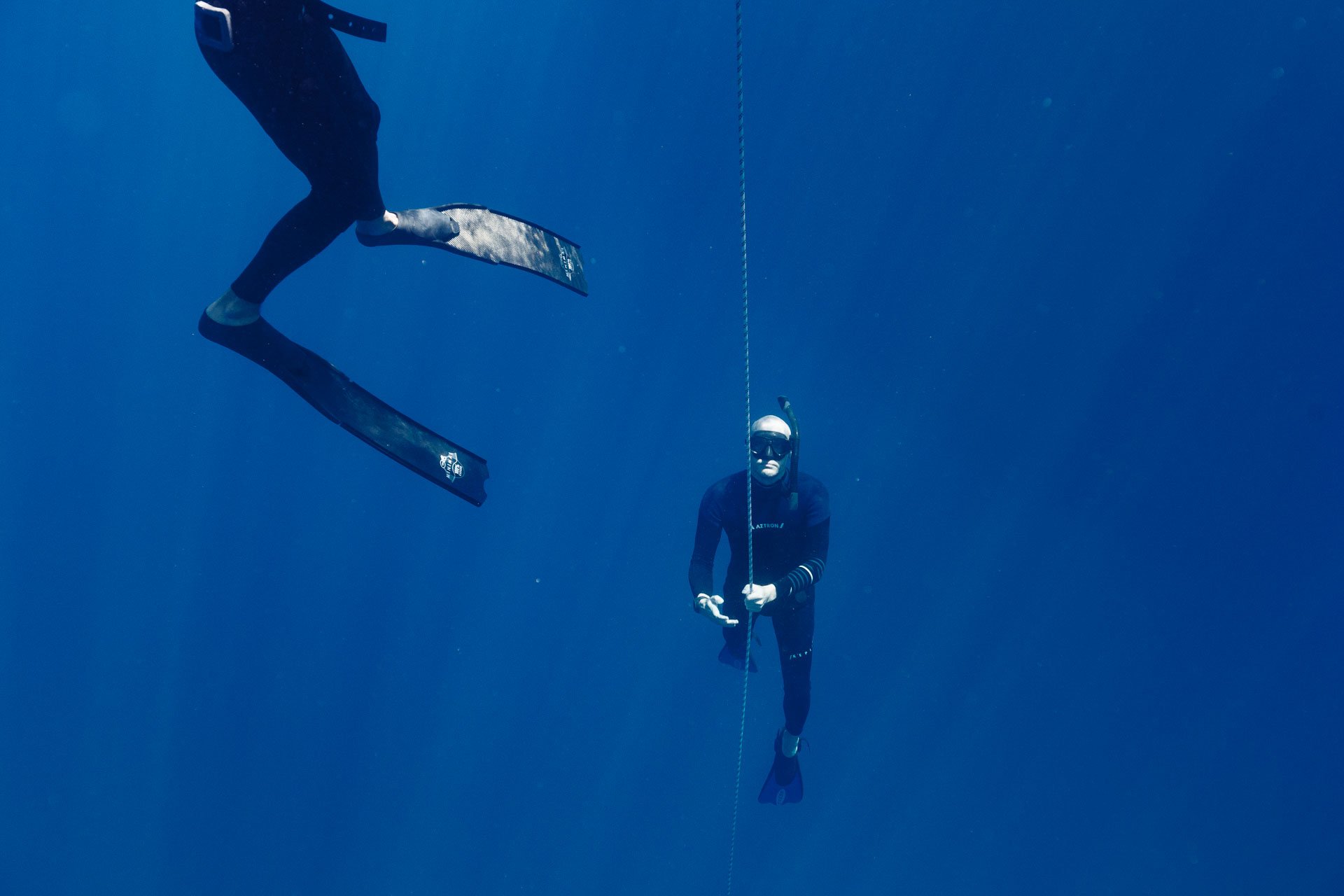
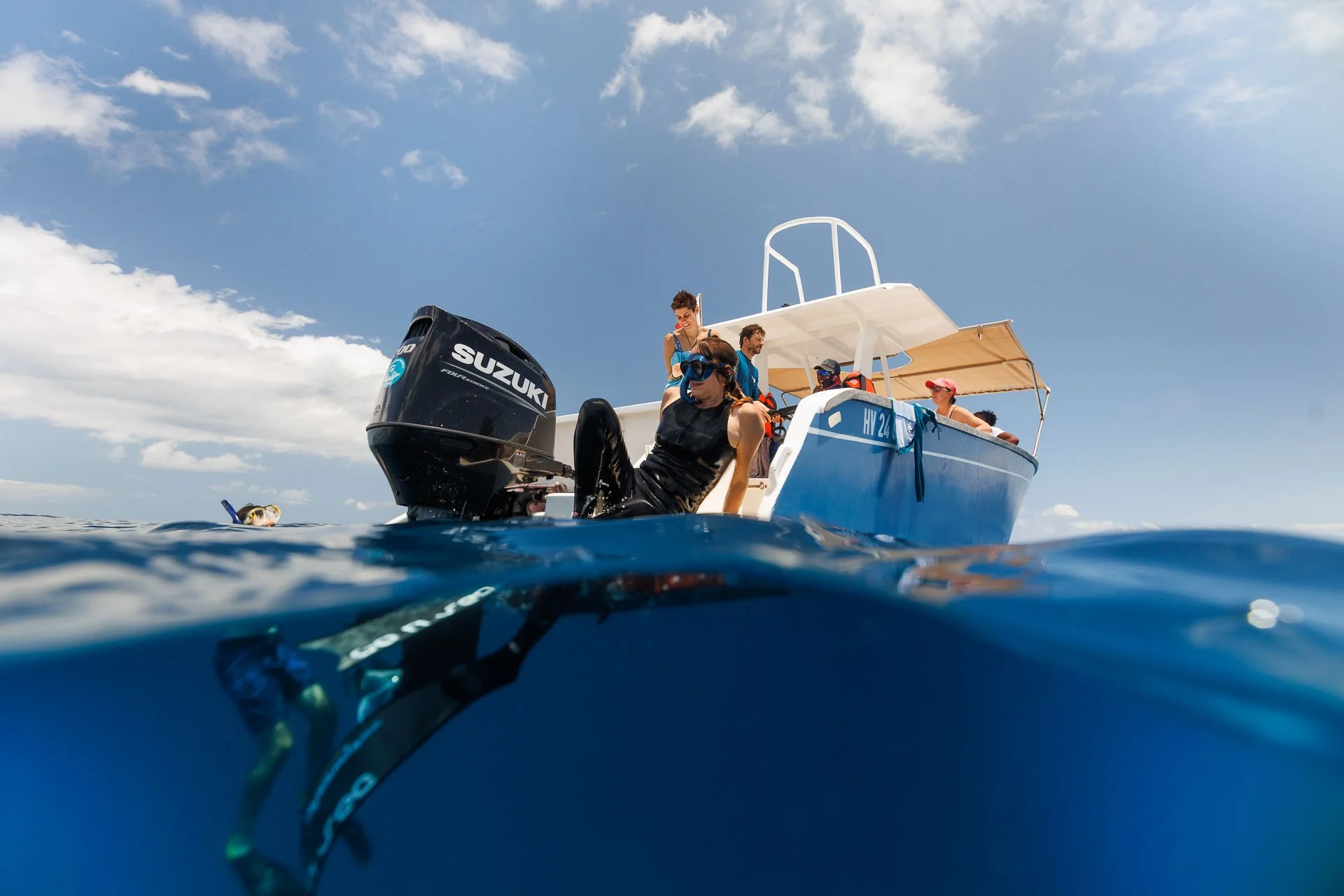
Our first day was spent meeting with Guillem from Freedive Nosy Be. If we are going to get into the water with a 10-meter shark, we need to sharpen our skills under the waves. Freediving allows you to learn how to safely hold your breath (some divers last for over 11 minutes). Guillem tells us that being silent and holding your breath for even 1–2 minutes is more than enough to get close to these gentle giants while reducing disturbance.
We spent the day in the shallows of Madirokely Beach. Holding my breath for two minutes after only an hour of work felt like an achievement. Soon, we were out on the open ocean using a weighted line. We practiced climbing down a rope to 30 meters to learn to equalize and experience depths we weren’t used to. It was an amazing experience that built our confidence. Water safety is about not panicking, reducing oxygen use, and knowing your limits. By the end of the day, we felt ready for the Mozambique Channel.
Putting it into Practice: The Corals of Tanikely
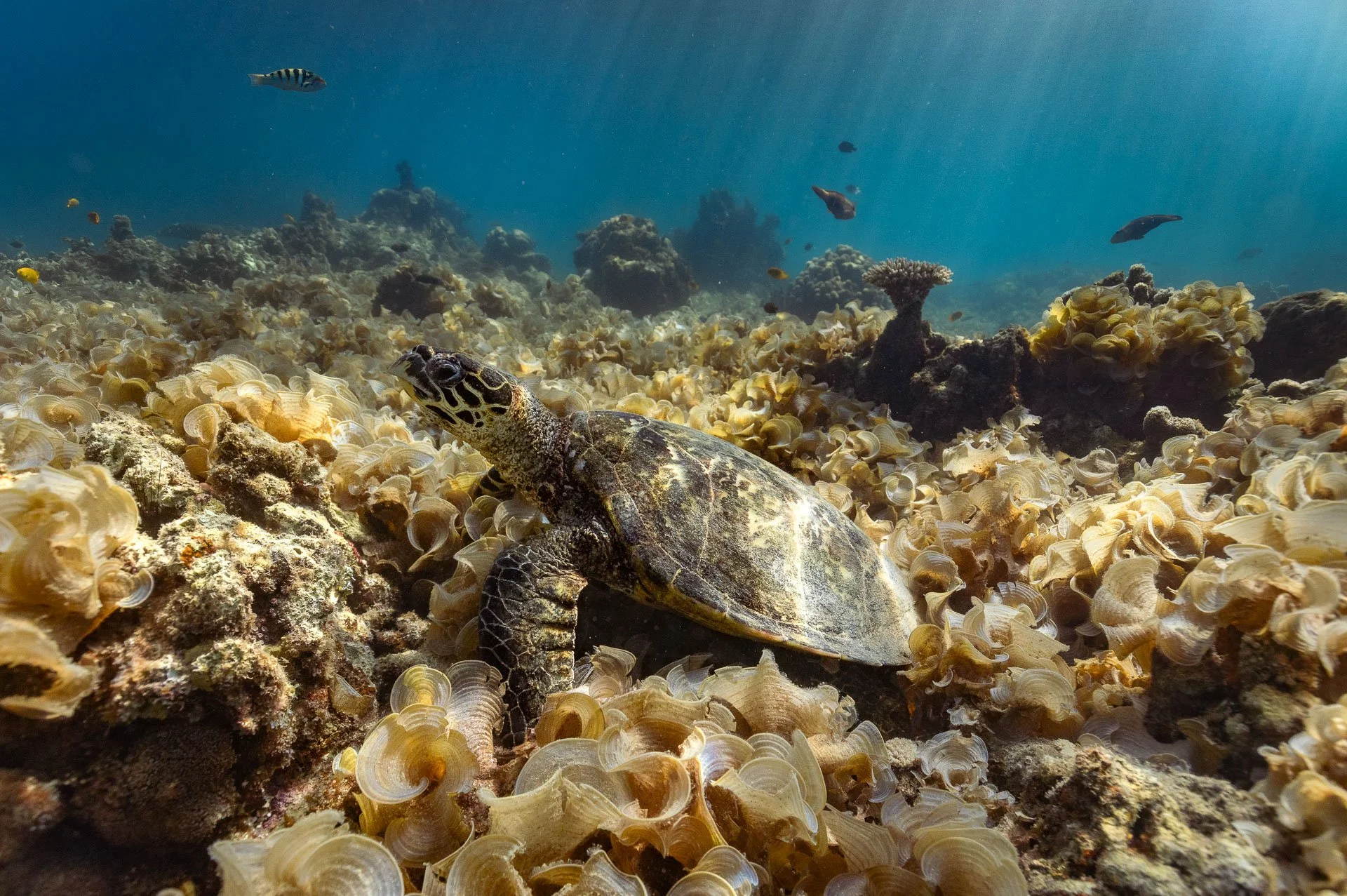
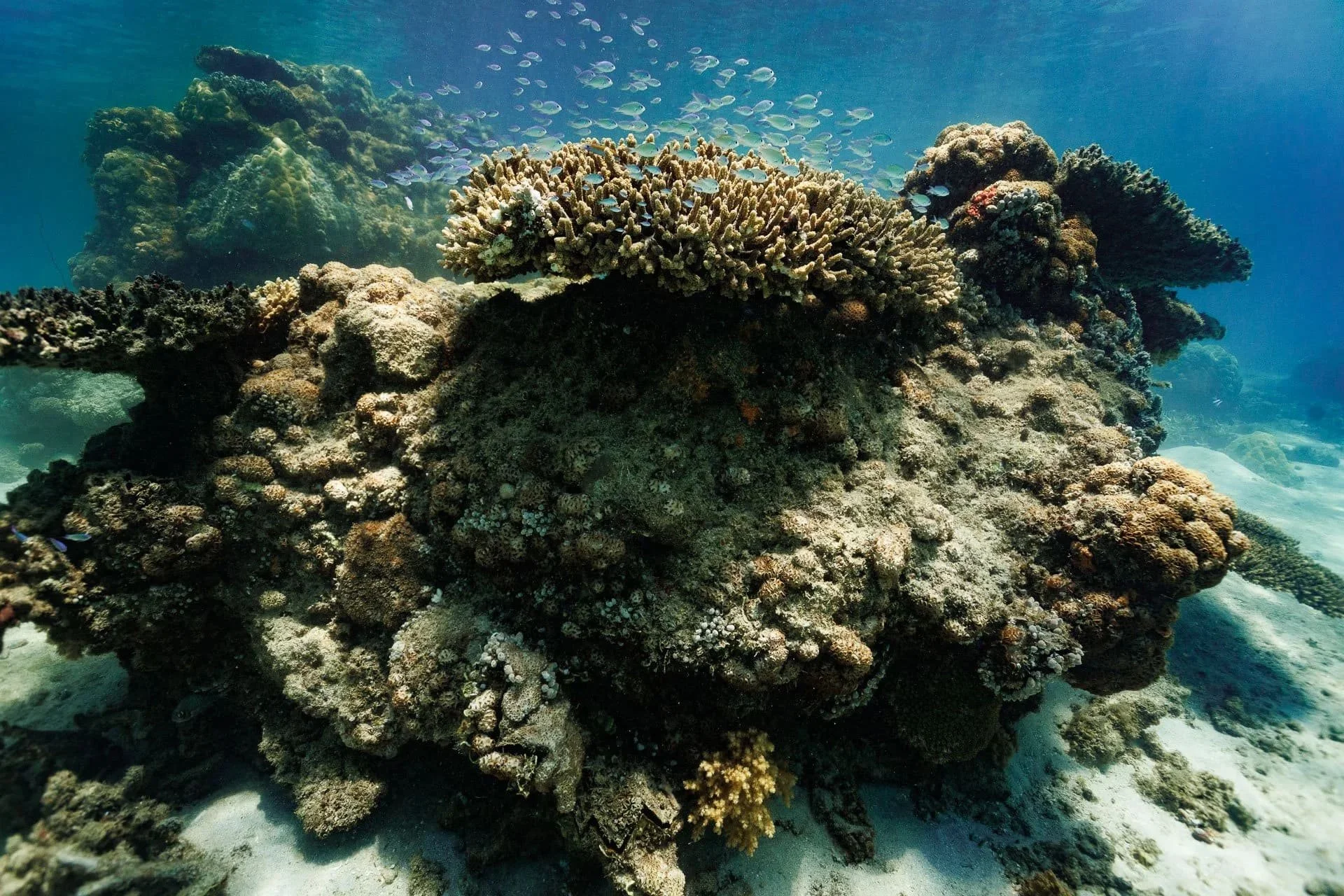
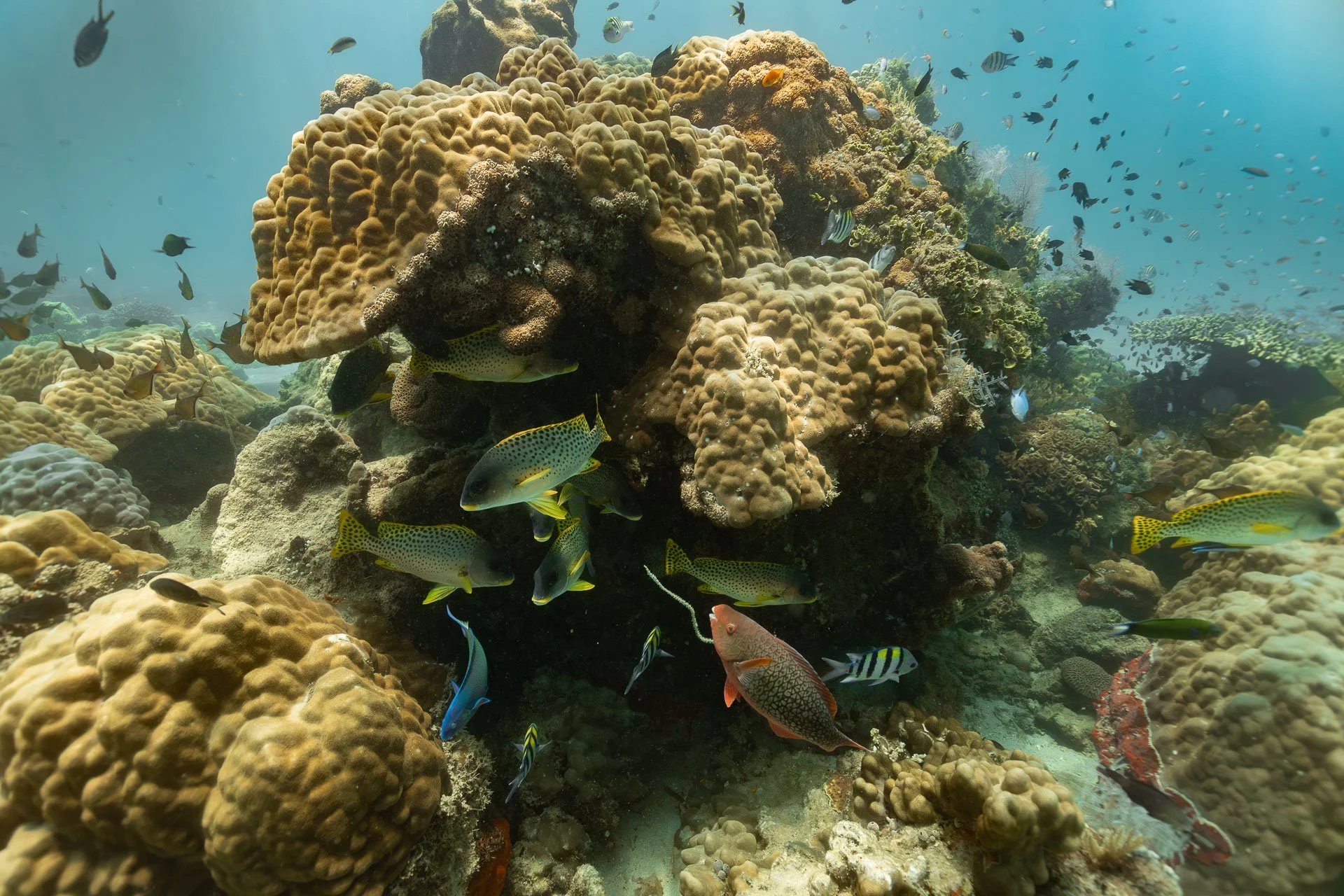
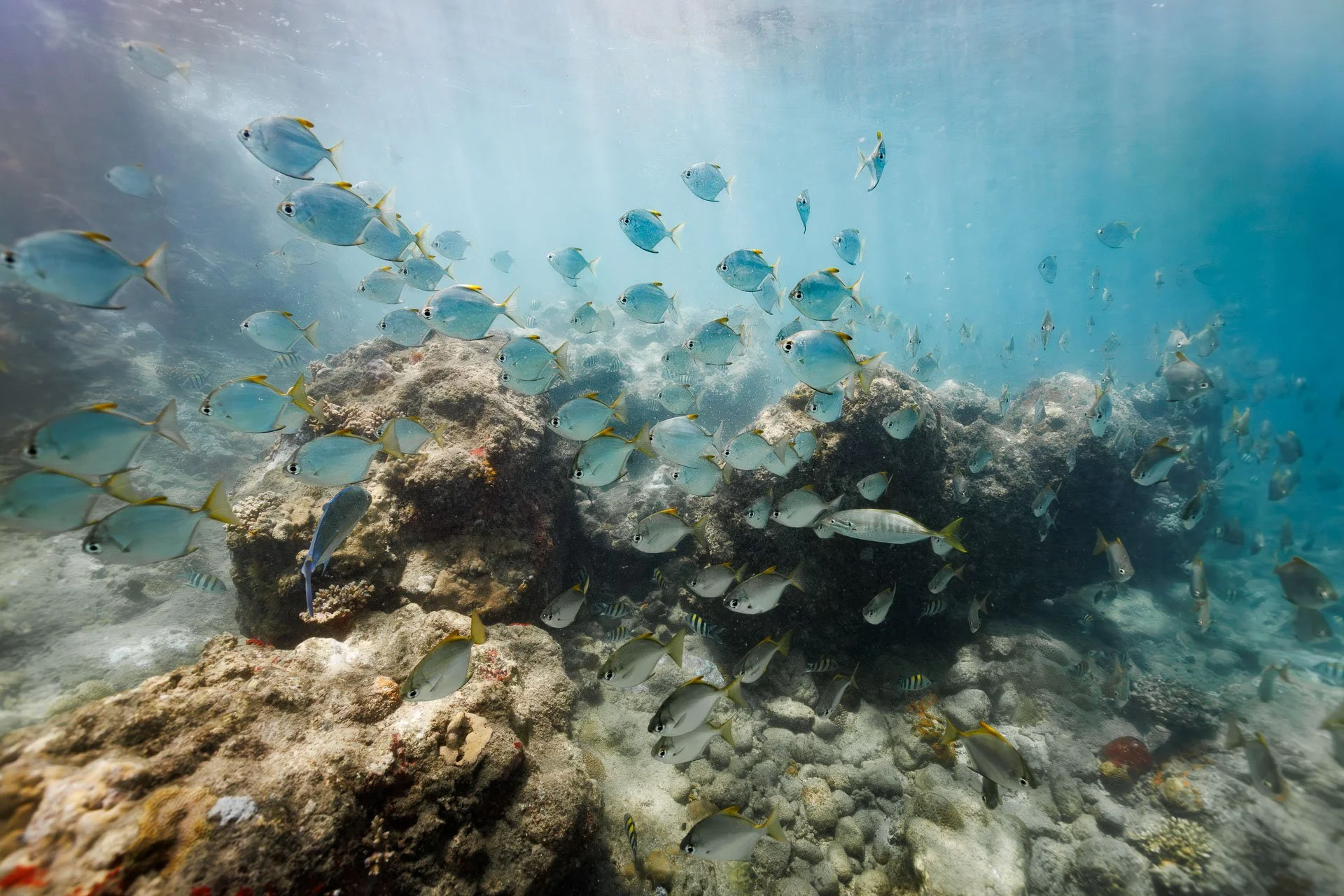
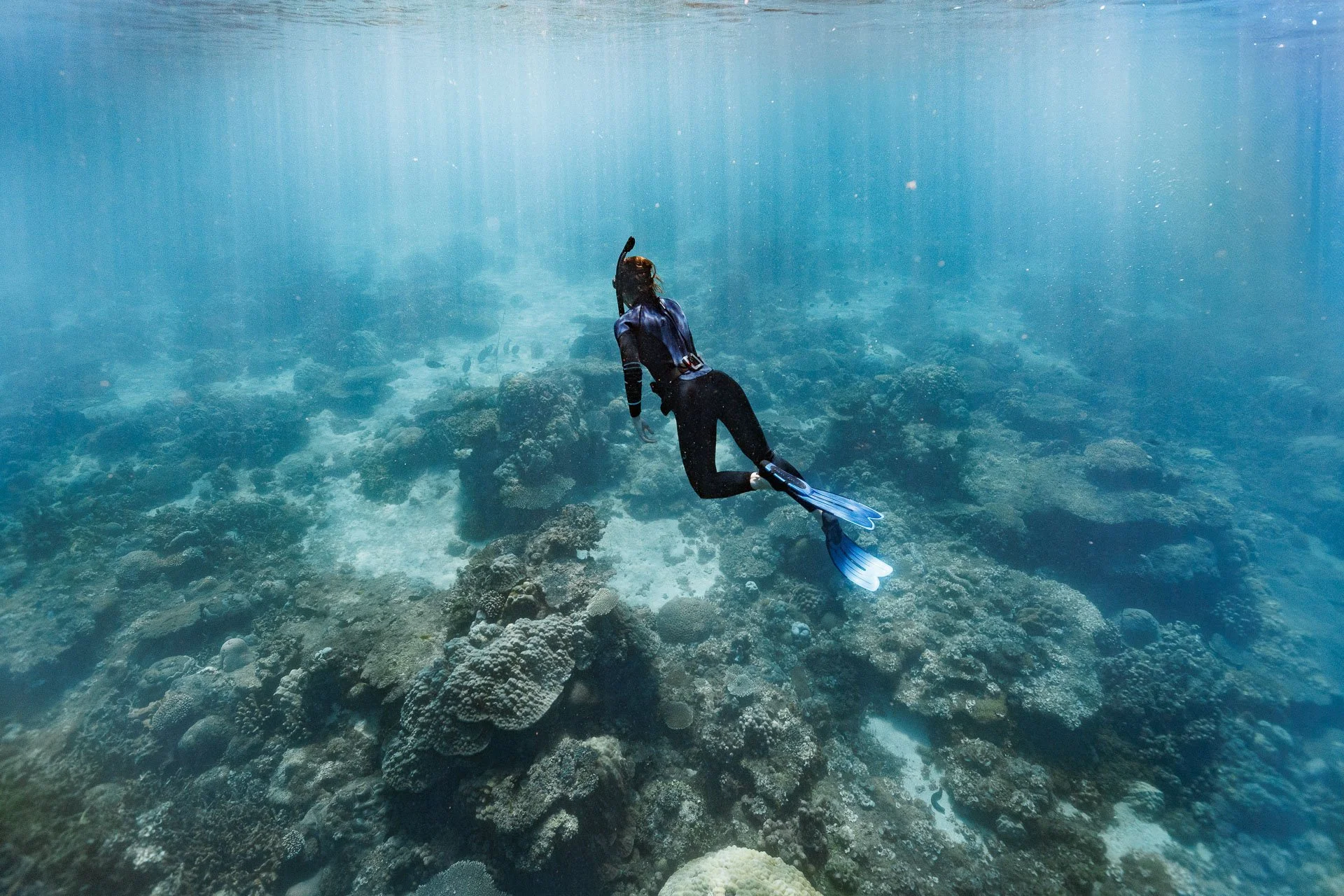
Only 40 minutes from Madirokely is Nosy Tanikely, one of the most spectacular coral reefs in the country. It is a small island reserve where you can only visit for the day. The water is pool-clear; you can see turtles coming up to breathe from the boat.
I had never seen a real coral reef before, and the diversity blew me away. Fish of all kinds, turtles feeding on seagrass, and octopuses were everywhere. I would dive down and just sit as thousands of fish swam around me—whole communities living unknown to the rest of the world. What amazed me was how tame the green turtles were; you could swim right next to them while they fed. We even spotted a white-tip shark in the deeper sections. Leaving the reserve felt like only scratching the surface.
Island Home: Our Secluded Paradise
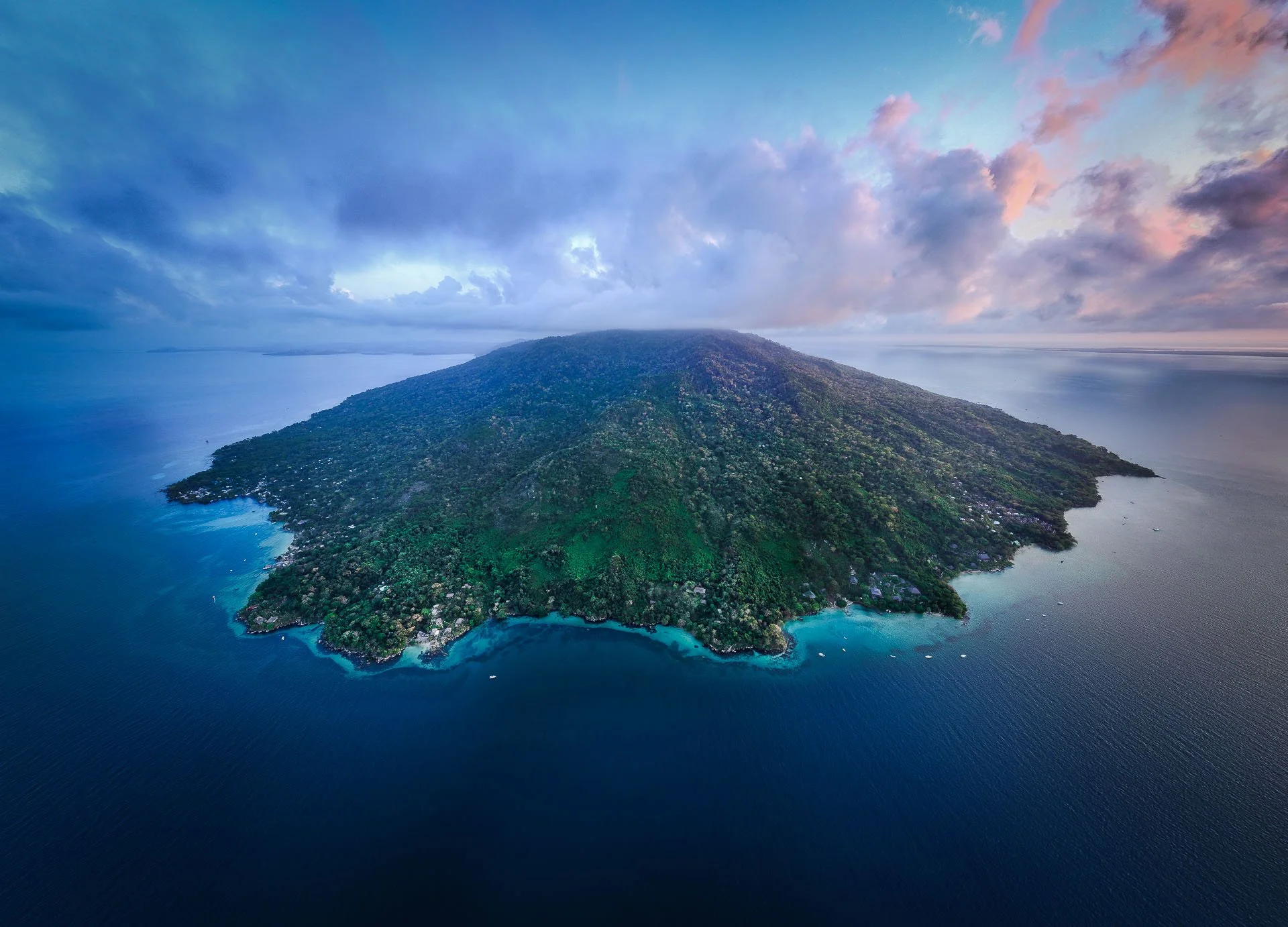
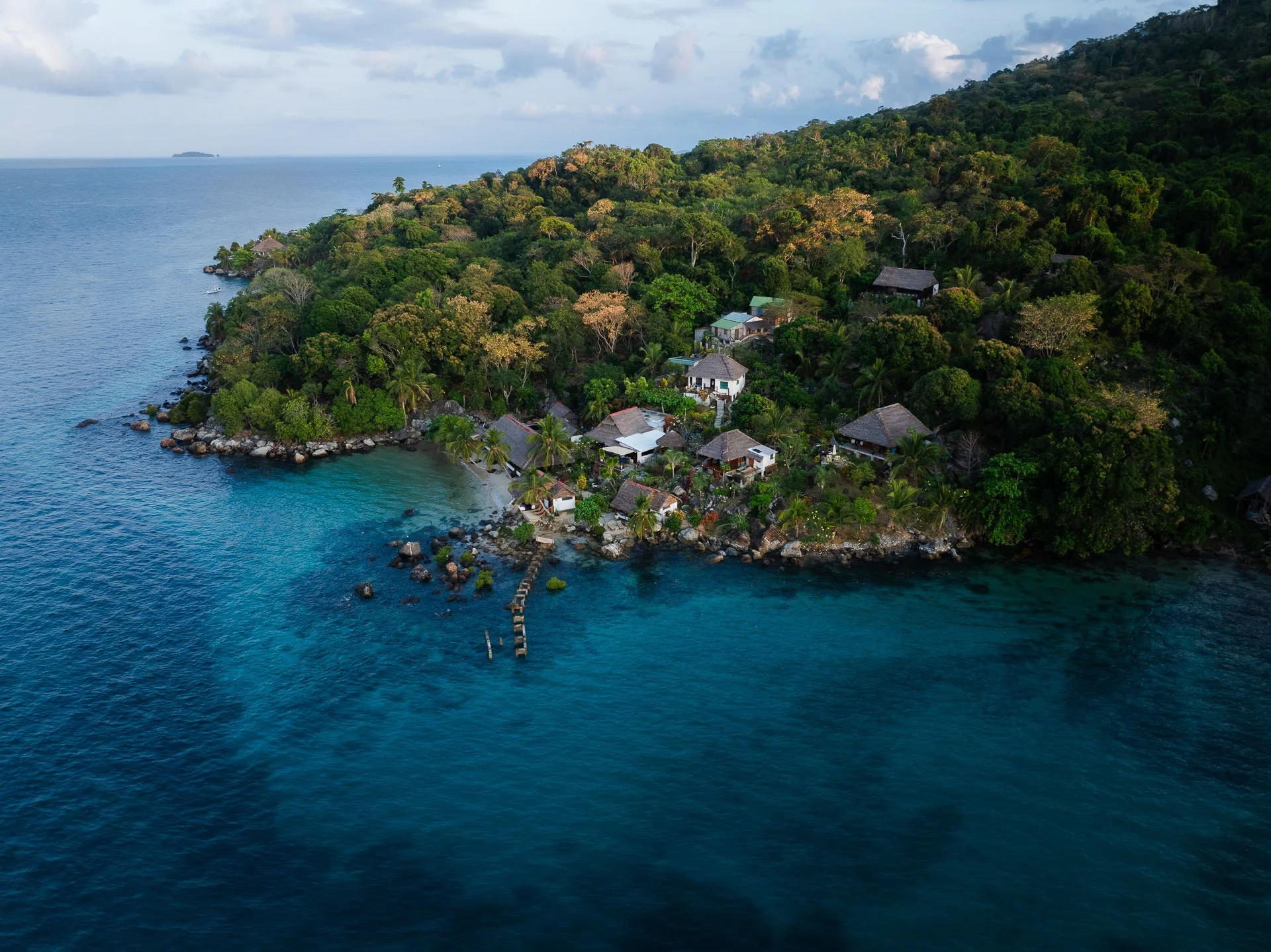
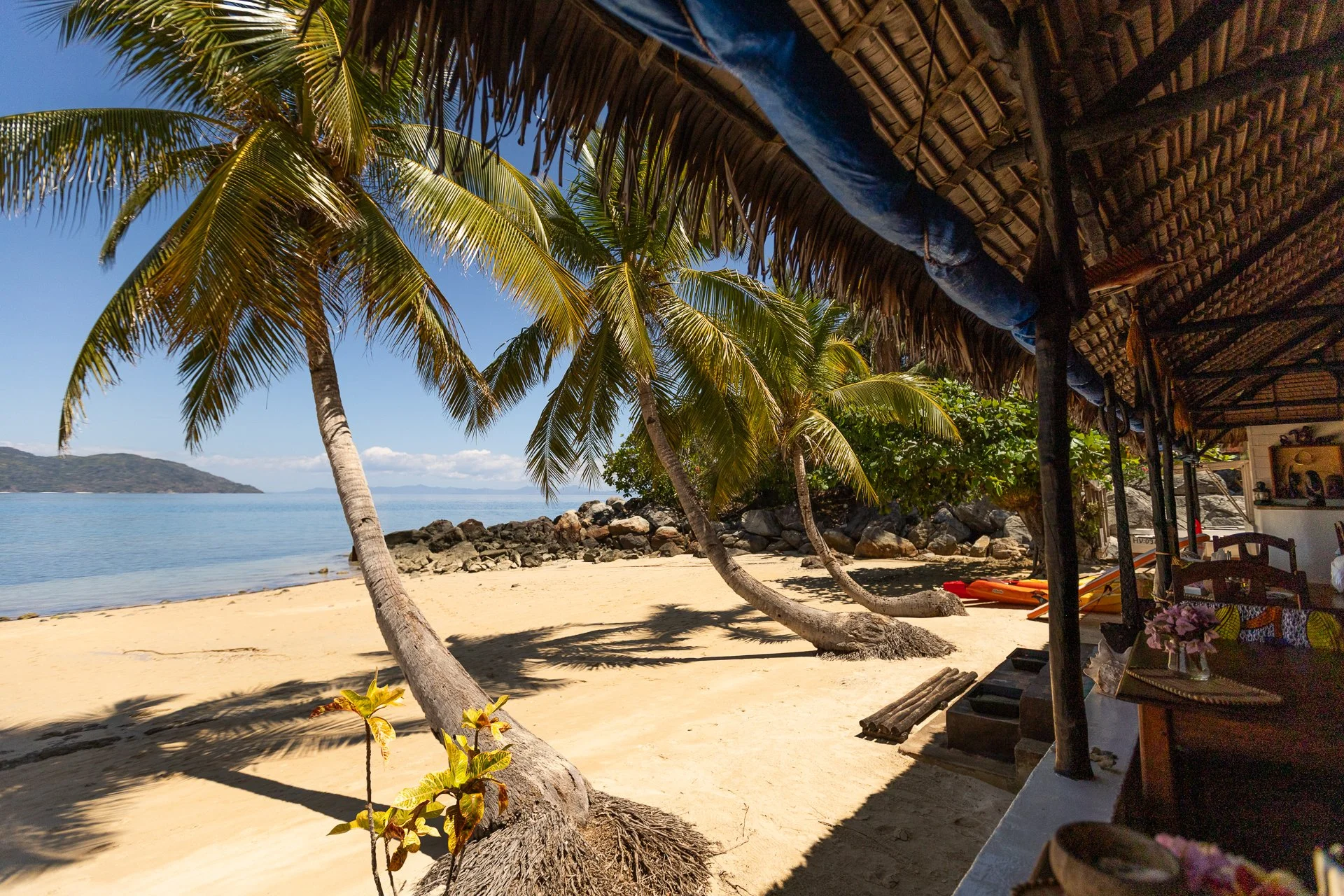
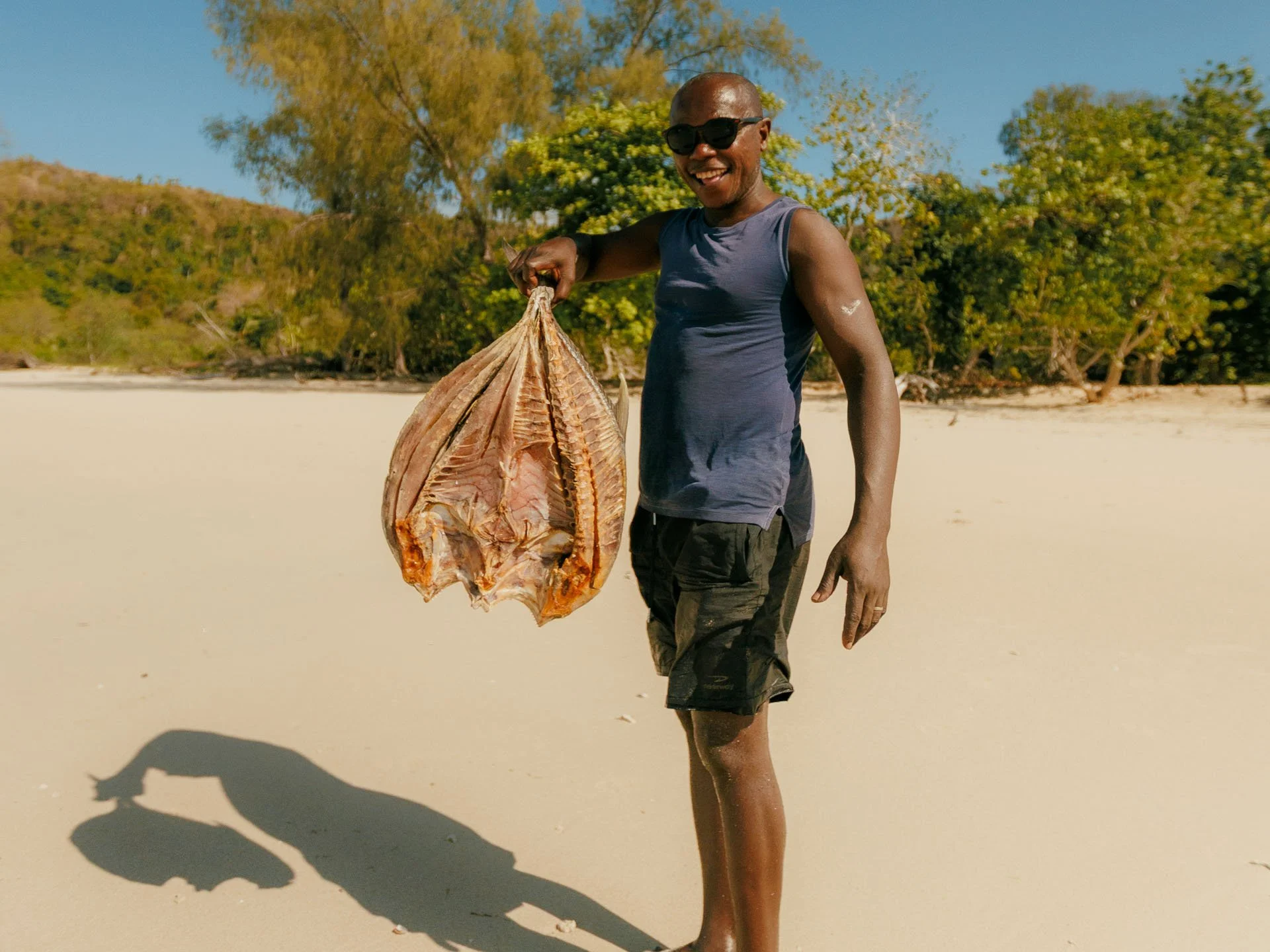
We were lucky enough to stay on Nosy Komba. If you pick the right lodge, you are in for a treat: fish served straight from the sea, often sold to the kitchen by fishermen right off their pirogues. While I generally dislike industrial fishing, here it is an essential, low-impact way of life. Nosy Komba is a perfect launch point—quieter in the evenings, with dinner served on the beach and an ice-cold beer.
Behind the lodges, the island is a steep mountain trek. We took a local guide through the forests to see the birdlife and insects. I even tried Thé-cola (cola tea)—extremely bitter and highly caffeinated. Having it with condensed milk kept me up all night.
The Encounter: Swimming with the "Many Stars"
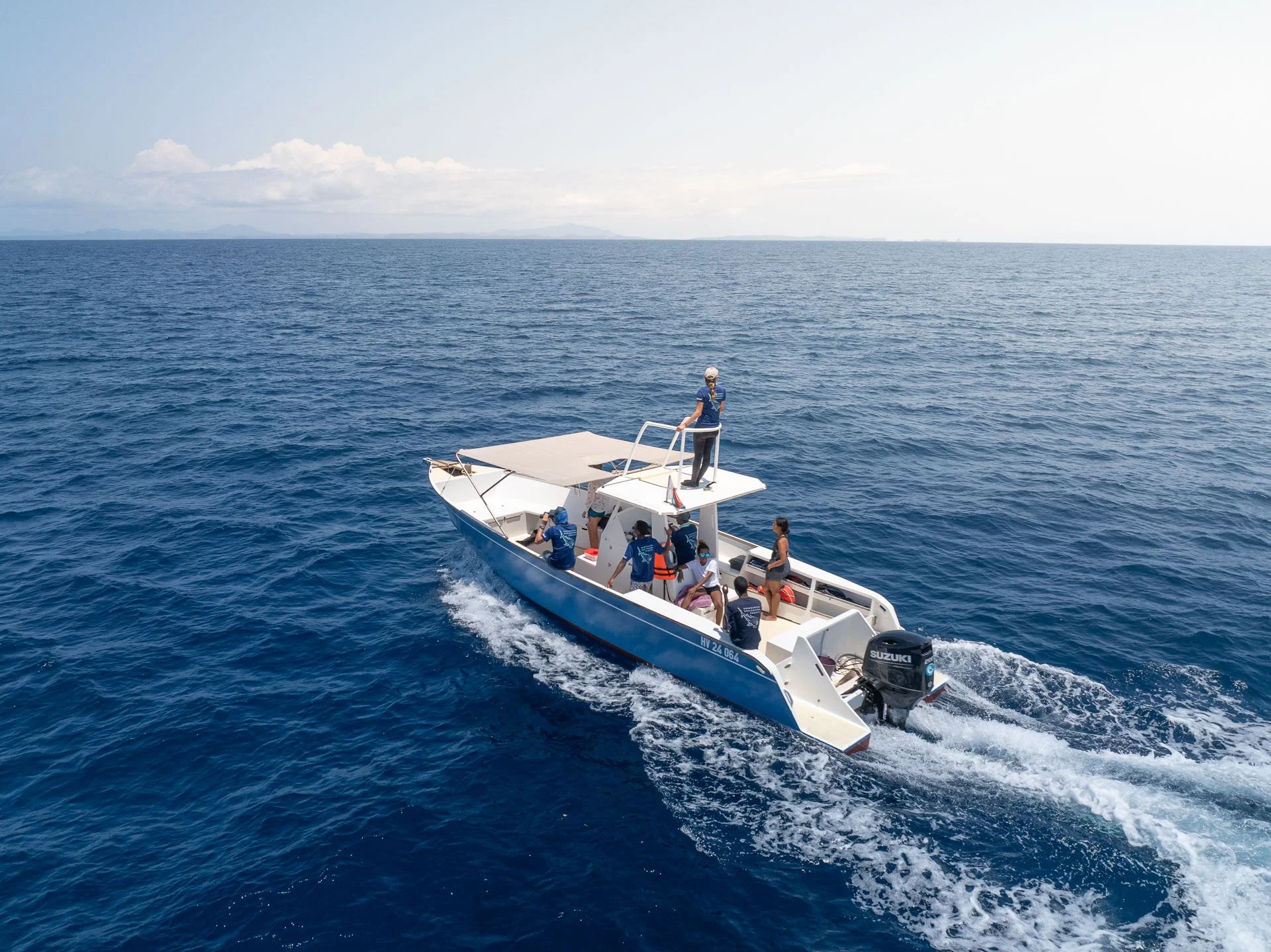
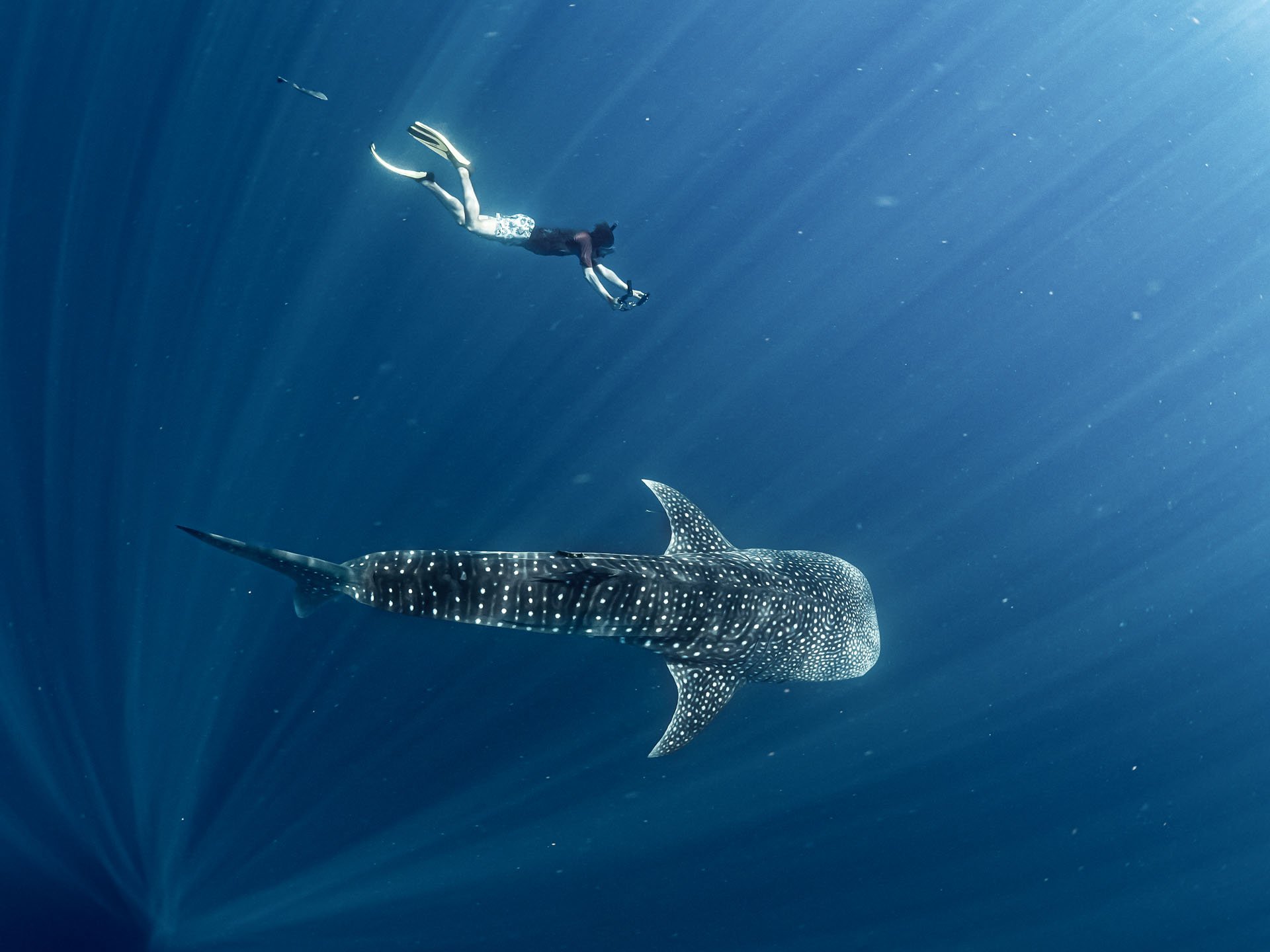
On the open water, we aren't just looking for a fin; we’re looking for the "boil"—the frantic surface activity of baitfish that signals a whale shark is feeding. Working with researchers from the Madagascar Whale Shark Project, we act as the eyes on the water. When we find a shark, we follow a strict code: no flash, no touching, and a respectful distance. If other boats are already there, we don't get in.
There is a moment, when you slip into the water and the bubbles clear, where you see it: a massive, prehistoric shape gliding through the plankton like a ship. The conservationists capture ID photos of the unique spot patterns behind the gills.
Lost Archipelago: Madagascar's Remote Islands
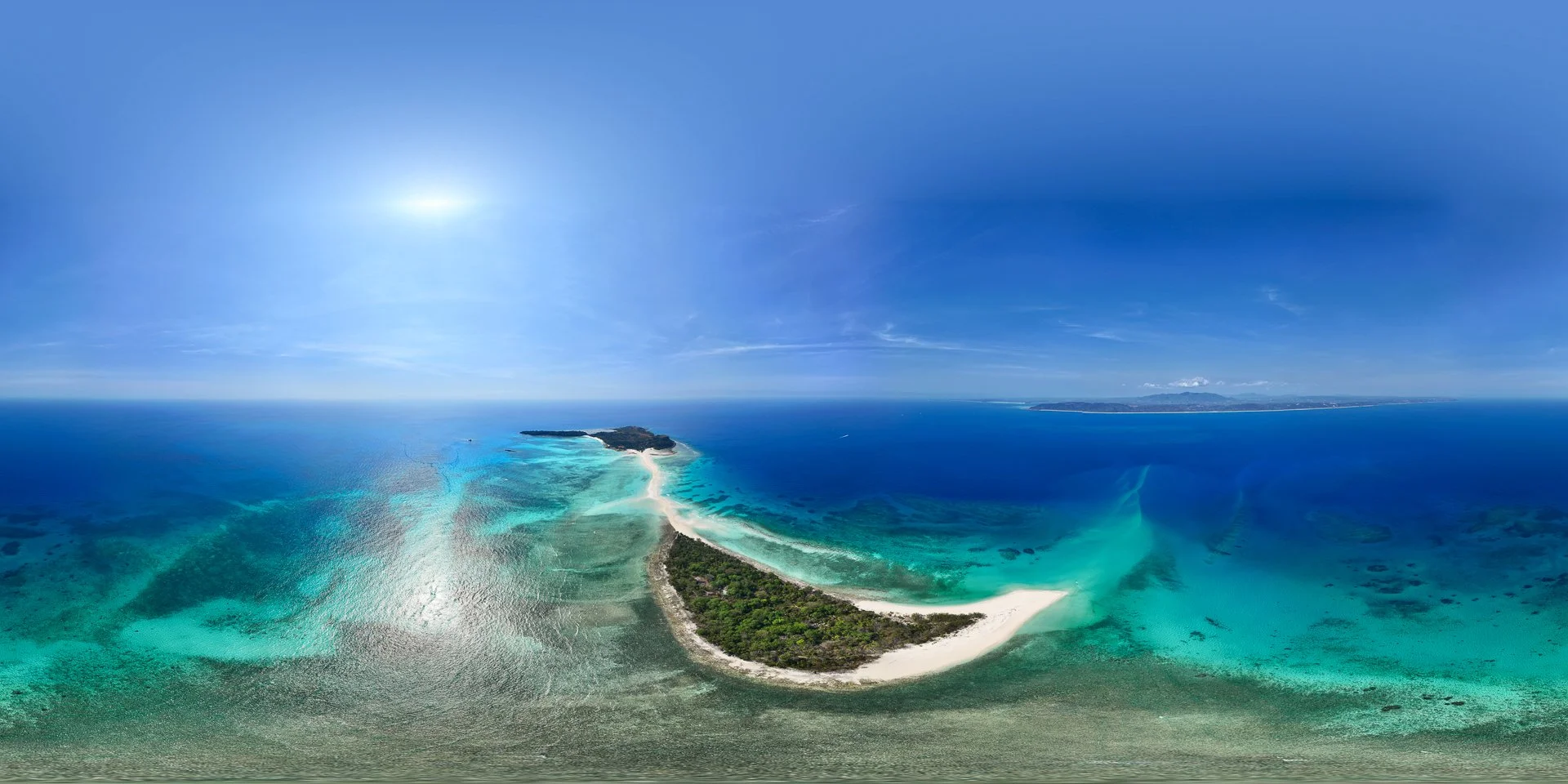
Leaving Nosy Komba, we headed further out to the remote island chains along the west coast. This gave us the chance to see humpback whales, spinner dolphins, manta rays, and more. We based ourselves on a small, sparsely populated island in the northwest.
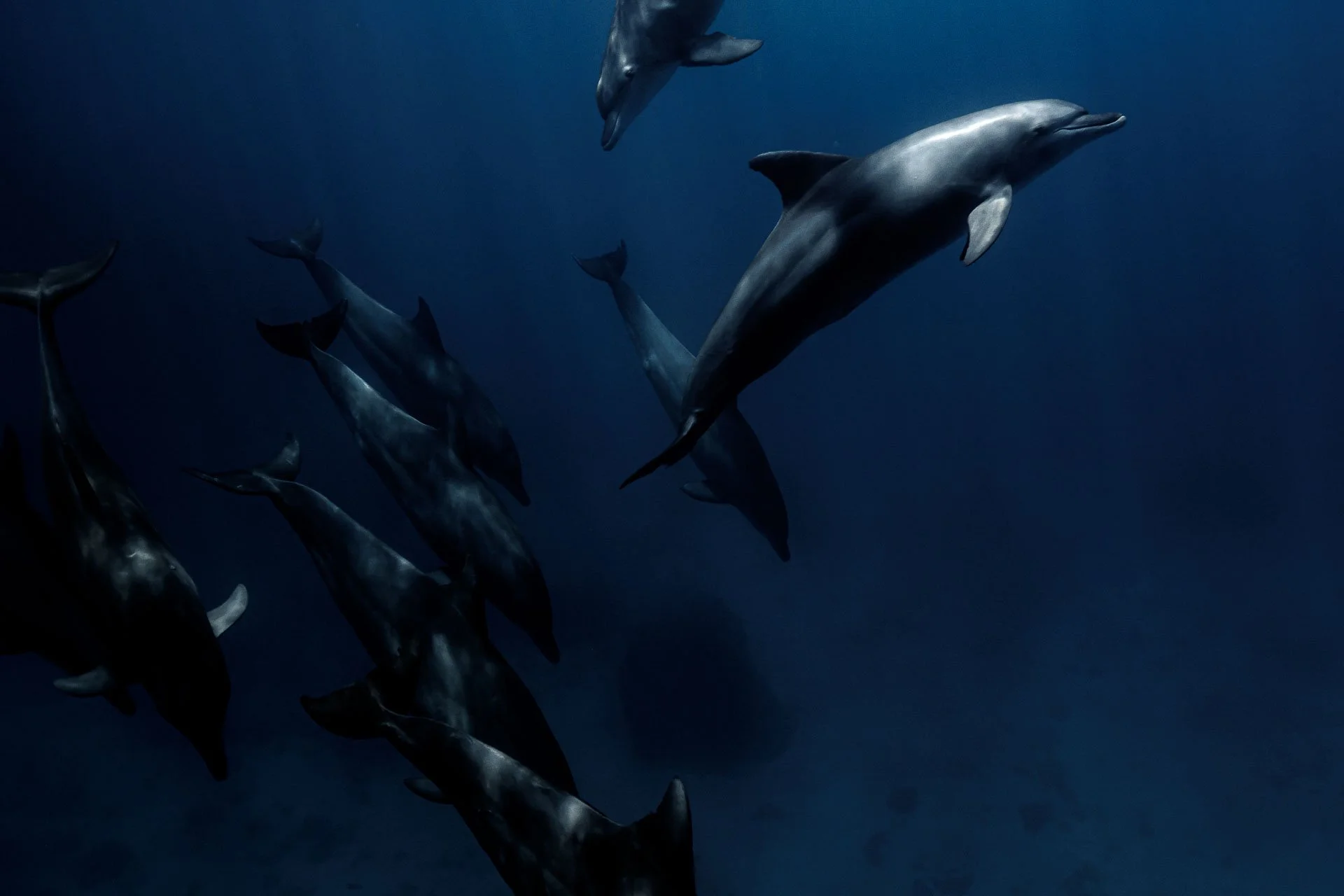
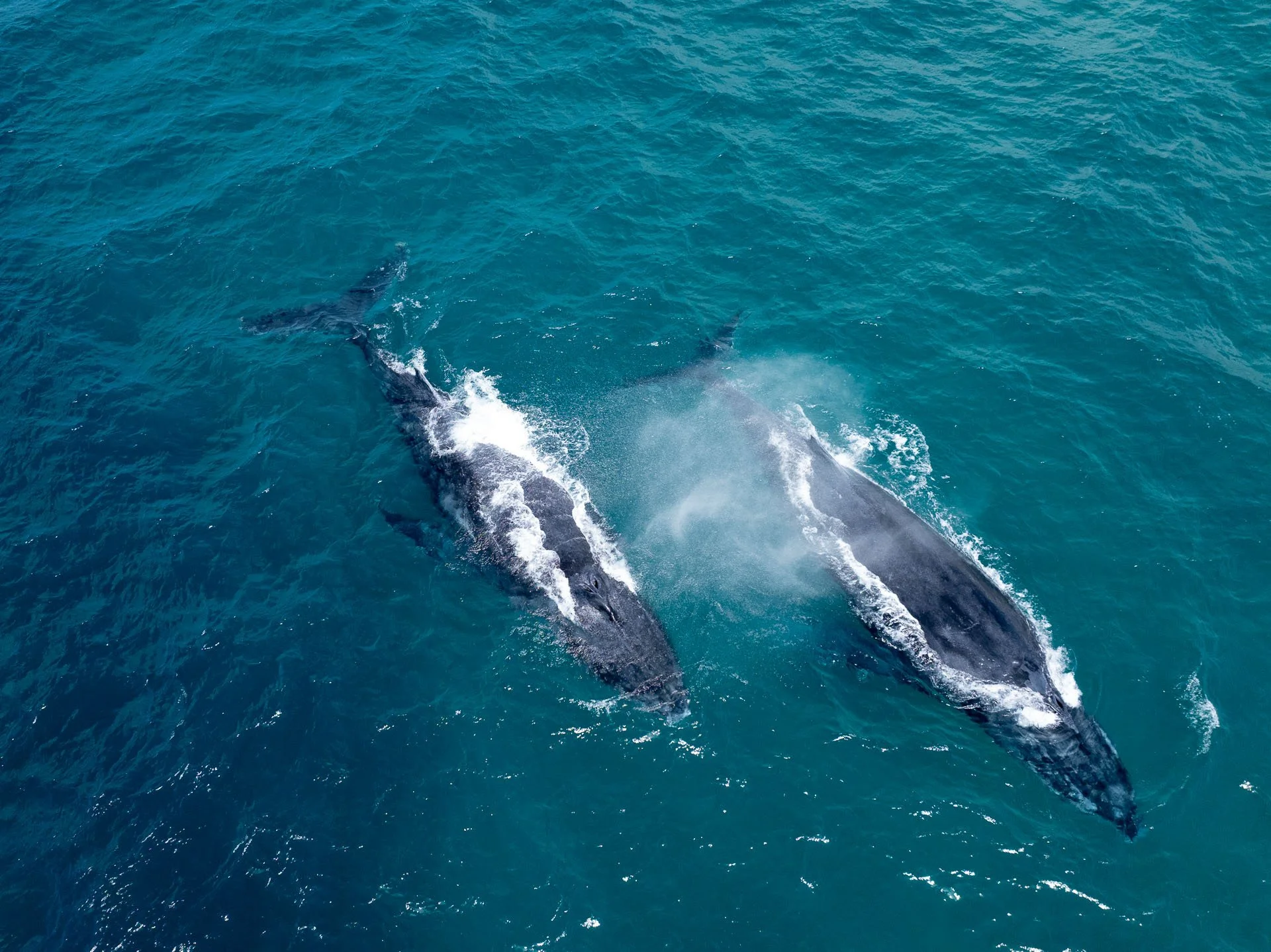
Within an hour of heading out, we were near a mother and calf humpback. It is illegal to swim with them, so we drifted with the engines off. Later, we used our freediving skills to drop a weighted probe for whale shark tracking. While underwater, we heard the calls of dolphins. Before we knew it, we were surrounded by a pod of 15 investigating us. There is nothing like being in the water with these animals—feeling completely at ease as they chat and play around you.
Why we do it differently
We have personally created this expedition from the ground up, No one else does what we do here in Madagascar. Most "whale shark tours" in Madagascar are crowded and rushed. We don't do that. We limit our groups to 8 people to ensure the sharks aren't stressed and you get personalized coaching from our freediving team. We’re here to support the local Malagasy students and researchers, not just take a selfie and leave. When you dive with us, you’re helping build a sustainable future for Nosy Be and its stunning marine life.
Ready to find a Whale Shark? Check out our dates for 2026 and 2027 https://www.wildexpeditions.info/expedition/expedition-whale-shark-freedive.
Expedition Notes
When to go: October to December (plankton bloom season).
The Gear: High-quality freediving fins and a low-volume mask. The water is a balmy 28°C.
The Physicality: You need to be a confident swimmer comfortable spending 6 hours a day on a boat.
The Ethics: Our trips fund the Madagascar Whale Shark Project and follow strict encounter protocols.