The Ghost of the Tian Shan: A Winter Diary from Kyrgyzstan’s High Altitudes
By: Chris Beard | Head Guide, Wild Expeditions
Location: Kara-Say, Kyrgyzstan
As soon as you drive your truck above 4,000m and head across the immense mountain plateaus, your whole world changes. Bleak, snow-capped mountains fill the skyline. As you strain your eyes trying to peer into the depths of these frigid mountain valleys, you can almost feel the snow leopard living out its life just beyond the ridge.
This is my 6th year coming to this part of Kyrgyzstan. We’ve been to this region over 30 times mapping the terrain, talking to local communities, and, of course, looking for the ghost.
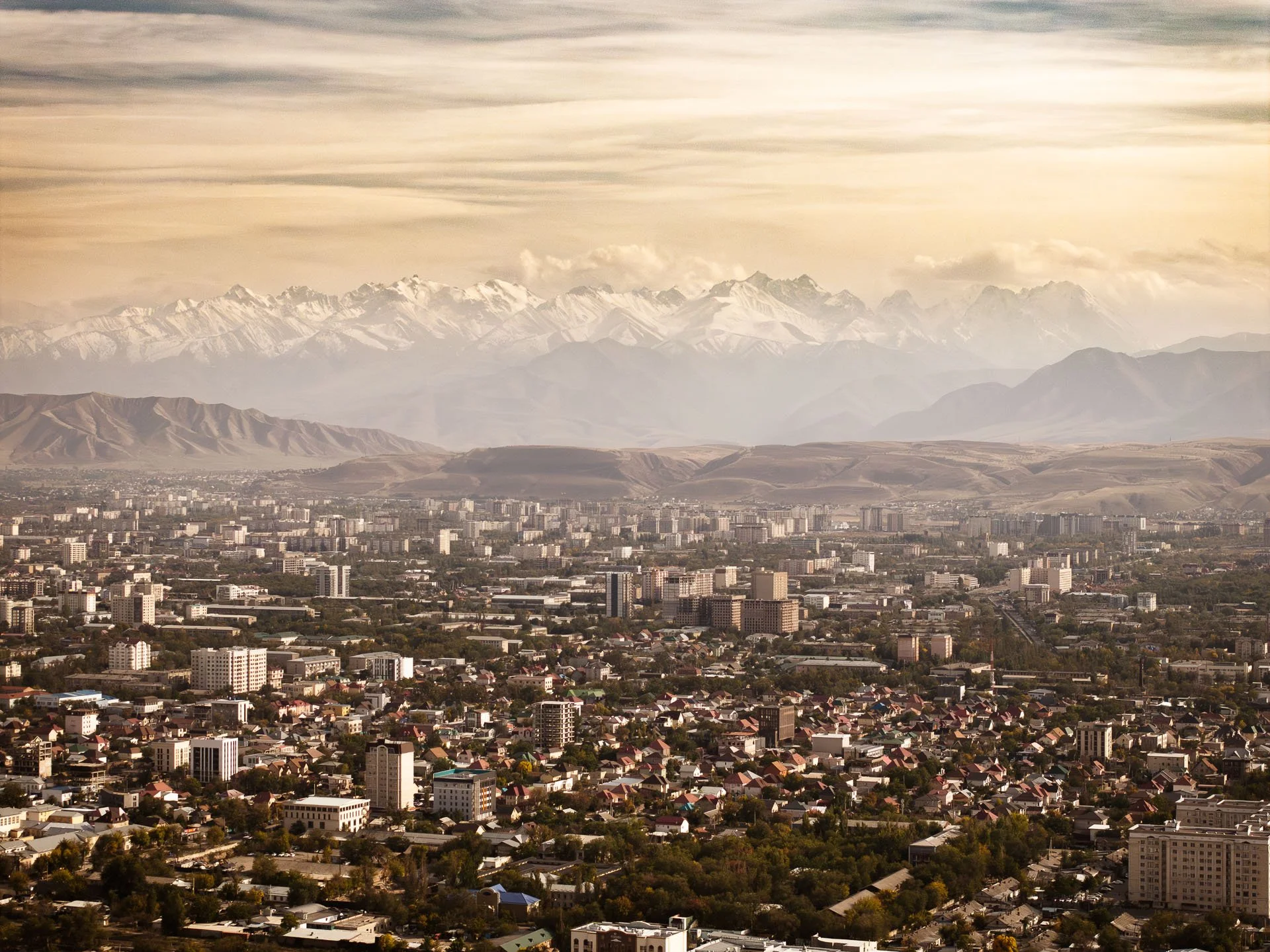
Bishkek in all its glory
The Acclimatization: Bishkek’s Urban Heart
Our first few days are always in Bishkek. Although it’s a small city, it’s definitely on the move. You may not think it at first glance, but it’s a city full of culture, top-tier food, and some of the best mountain views from any urban environment in the world.
We usually head straight to one of our favorite haunts: Mubarak. It’s a local restaurant that serves incredible traditional food. Ask for the Boso Lagman (fried hand-pulled noodles) or the Mante (dumplings) and you can’t go wrong. Wash it down with plenty of tea. You’ll be surrounded by locals enjoying the best traditional flavors in town.
The Kyrgyz love their coffee and pastries, so I always pick up a few bits to-go as I walk through the local parks on my way to the main square. It’s the last bit of "easy" living we’ll have for a while.
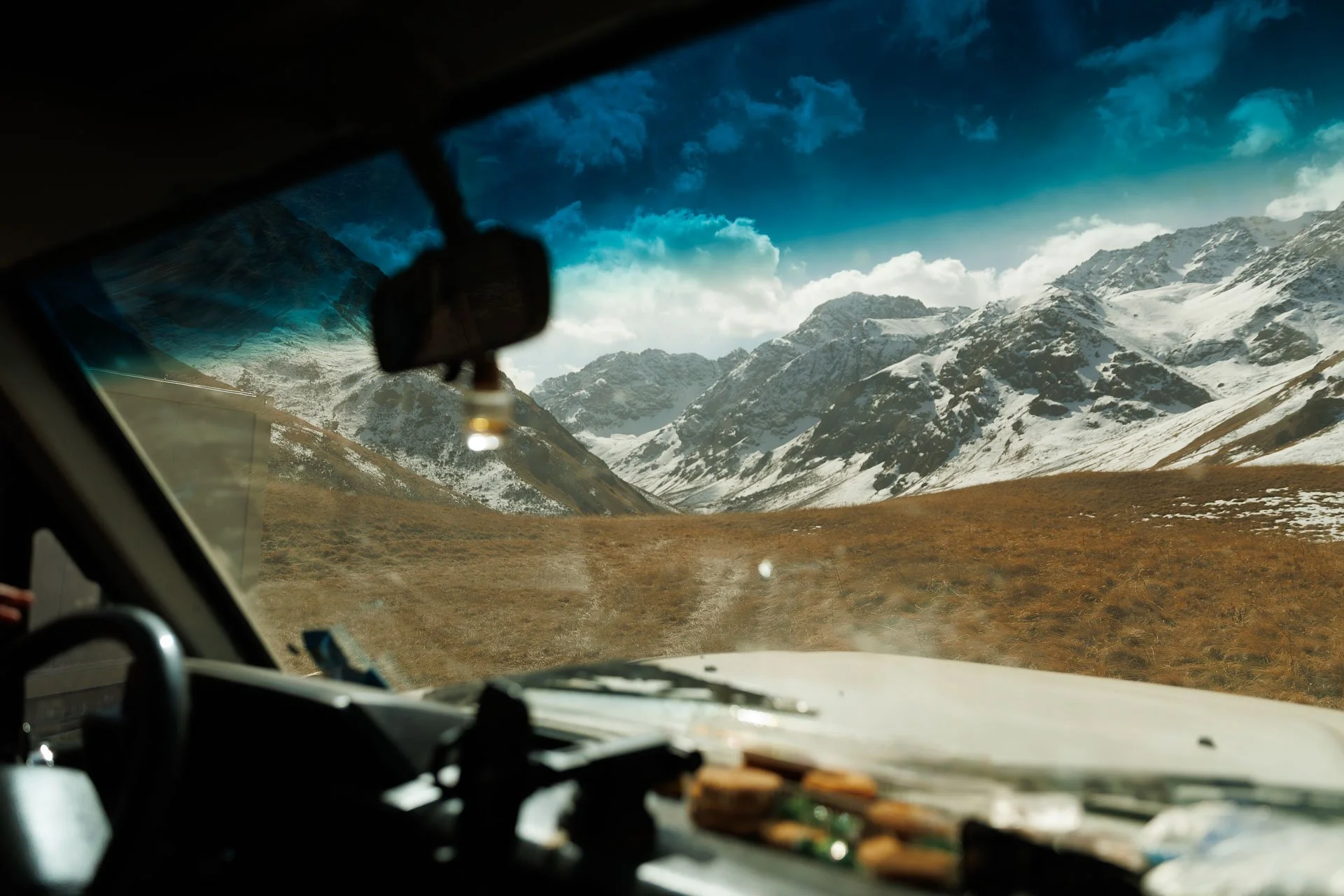
A view of the drive up the Kara Say
The Gateway: Barskoon and the Journey to Kara-Say
It’s a two-day journey from Bishkek to the high mountains. For acclimatization and road safety, we like to split it up; it allows us to see the country before leaving civilization behind.
From Bishkek, we meander across the plains toward Issyk-Kul. This is our first big landmark—one of the largest saline lakes in the world. When you finally see it, it’s like looking at an ocean. On a clear day, you can see the snow-capped mountains on the south side reflecting in the deep blue water.
It takes a good seven hours to reach Barskoon. You can see the construction work going on here as the Kyrgyz government pushes to modernize, but you still get a real taste of rural life. We usually bed down in a local homestay—they are well-priced and the perfect place to buy the delicious apricot jam this region is famous for.
By Day 3, it’s time to head up. The tarmac turns to gravel, the roads deteriorate, and we ascend to the 4,000m plateau. It’s a rugged, moon-like landscape that will be our home for the next few weeks.
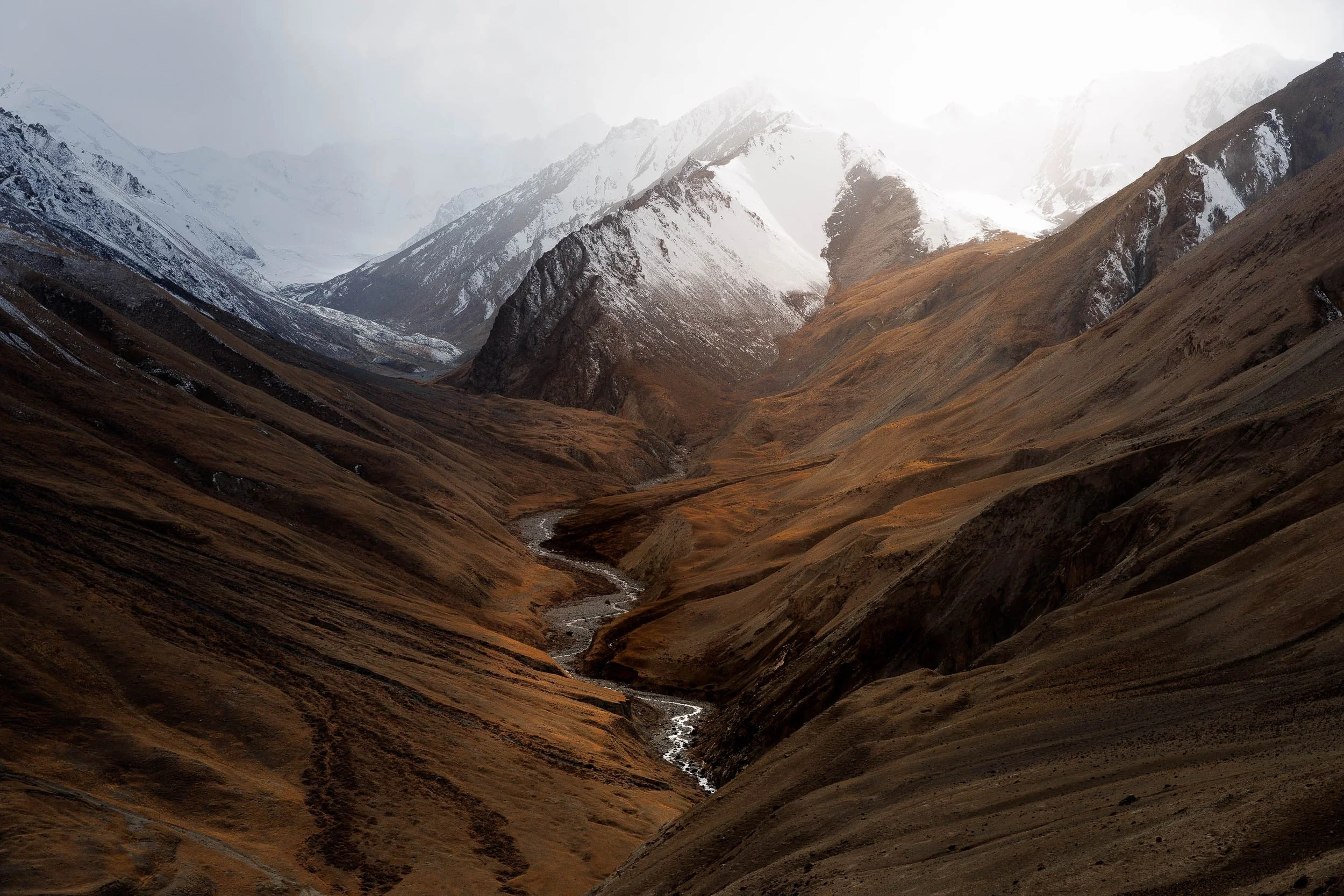
Just a few of the mountain valleys on the way to basecamp
Expert Insight: Why Winter? While temperatures in Kyrgyzstan’s interior can drop to -30°C, this is when the Snow Leopard (Uncia uncia) descends from the high ridges following its prey—the Ibex—into the valleys. Tracking them in summer is challenging (though we have seen them even in the heat); but in winter, the snow tells the story. It holds the tracks that lead us to the cat.
Meeting the Guardians: The Shepherd Rangers
At Kara-Say, we meet our local partners. Many are park rangers as well as shepherds who have lived in these mountains all their lives. We convoy up and head to our base camp much deeper in the mountains. It’s another six hours of fighting snow drifts, river crossings, and ice beds. It’s a lot of fun, but it also gives you a real sense of just how remote we are.
Before long, we reach our main valley and bed down in a shepherd's home. We enjoy a very local meal of boiled sheep. It might sound rough to some, but I can tell you it’s absolutely delicious—especially when you are being treated as an honored guest.
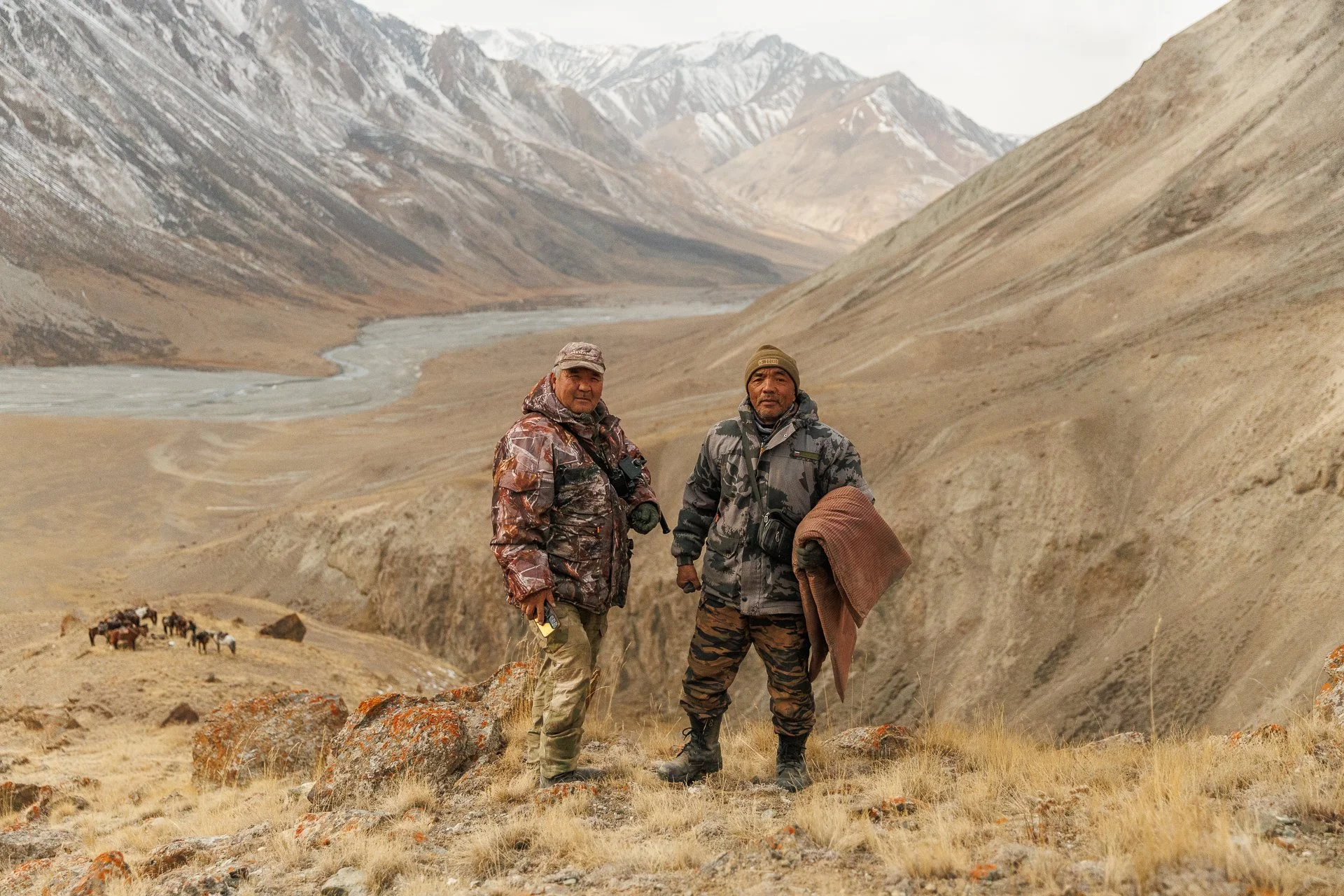
Our Rangers meet us before we head into the mountains
The Ascent: Base Camp and the Valley of Ice
Next morning, we reach the camp that will be our home for the next few weeks. High on a ridge above the valley, we have a 360-degree view of the leopard’s mountain home.
Each day, we head out on horses to look for prints. Finding snow leopards is all about patience and reading the land. Evidence is key, but so are the hours spent behind the sighting scopes. We were lucky on our first day this year—we spotted not only a snow leopard but also a lynx.
Each snow leopard I see is burnt into my mind. It’s like seeing a god of the mountains—a spirit. They are truly wild here, often having never seen humans before. This is the real way to see a leopard. You can go to India and see them relatively easily, but here they are untouched and as they have been for thousands of years.
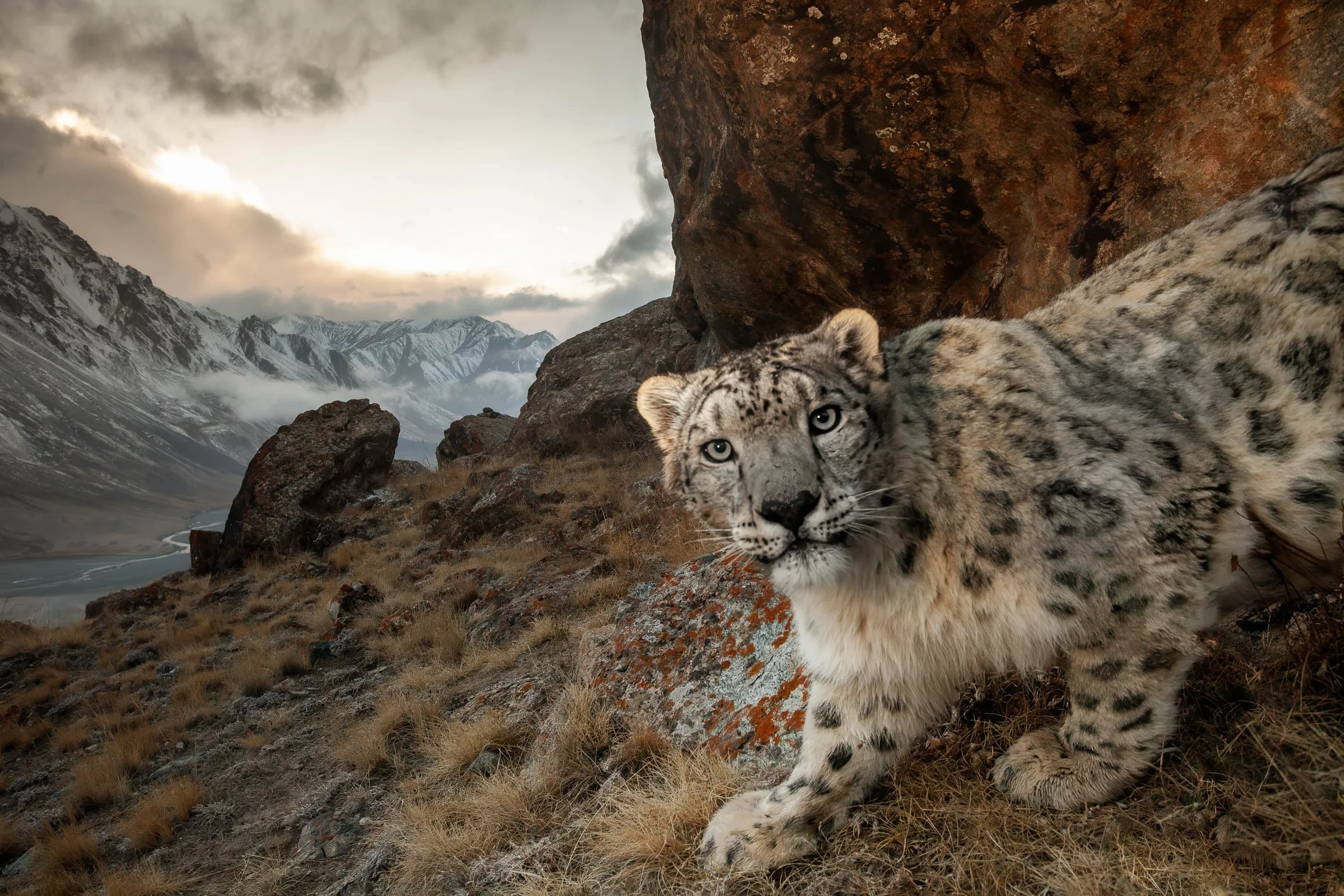
A snow leopard I photographed in this region last year
The Moment of Stillness
After a week in the mountains, we’ve seen everything: wolves, bears, golden eagles, Himalayan vultures, Ibex, and Argali. We have tracked on horseback nearly every day, braving -25°C, crossing icy rivers, and taking in mountain views that are almost completely unmatched.
It’s been an incredible week. It’s always a joy to work with our rangers, spending warm nights by the stove playing cards and drinking hot tea in the freezing mornings. This is life in the home of the snow leopard.
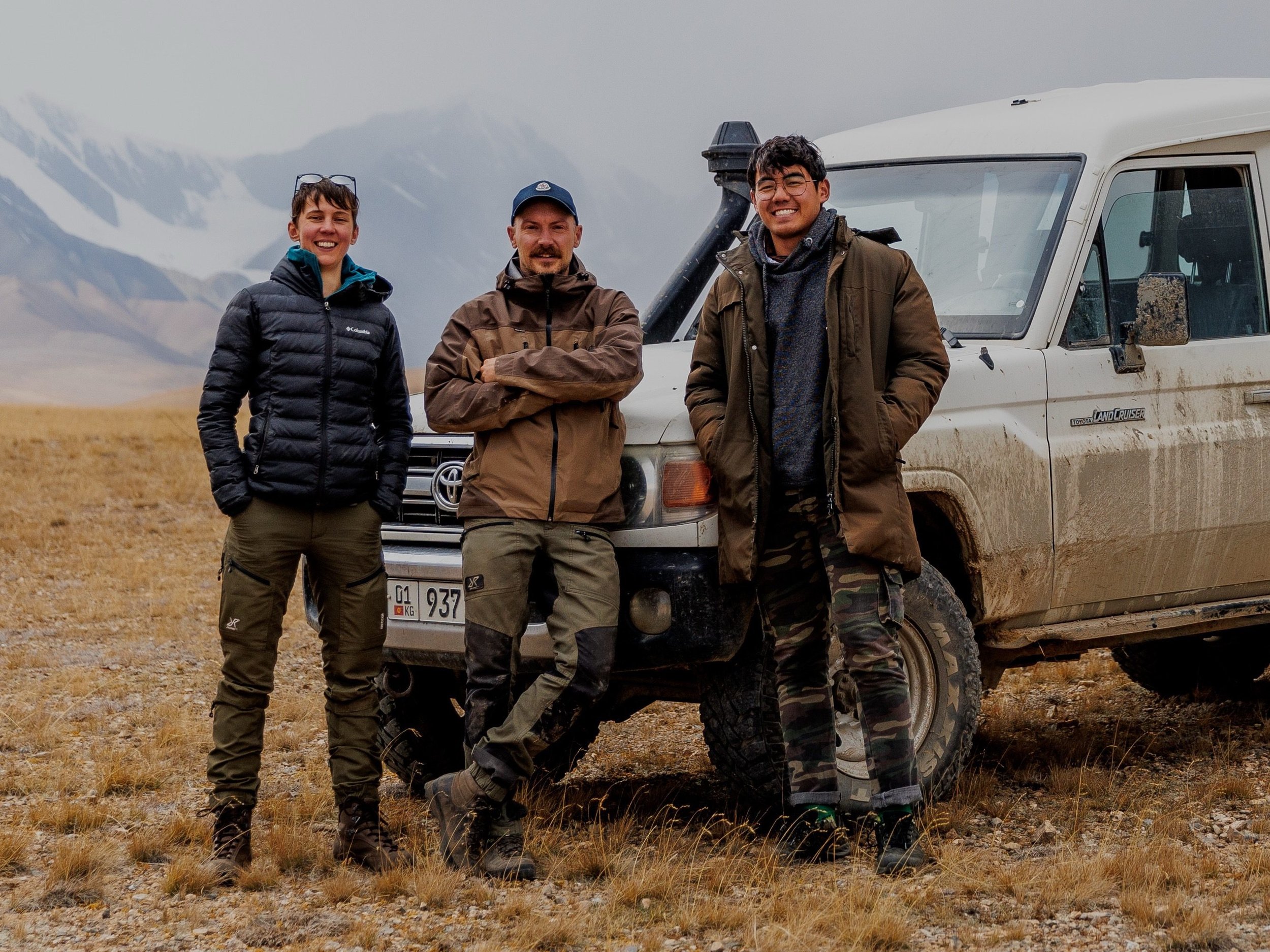
Me, Becca and Sanjar posing in front of our troopy having finished our expedition
Expedition Notes: Tracking Snow Leopards in Kyrgyzstan
If you’re planning your own journey into the Tien Shan, here is the reality of the expedition:
When to go: Late September to November offers great conditions, while January to March is the peak of the deep winter freeze.
The Gear: You need a layering system rated for -30°C. Do not skimp on your boots. If your feet are cold, the expedition is over.
The Physicality: You don’t need to be an elite athlete, but you must be comfortable getting on and off a horse and have a genuine sense of adventure.
The Ethics: At Wild Expeditions, we work directly with local conservationists to ensure tourism is ethical and economically sustainable for the local people. We keep groups small and focus on improving the skills and equipment of the rangers we work with.
Why we do it differently
We don’t buy "off-the-shelf" tours. We built this Kyrgyzstan expedition from the ground up because we wanted to take people on real expeditions, not safaris. Our aim is to reconnect you with the wild and the authentic Kyrgyz mountain culture. When you travel with us, you aren’t a guest—you’re a member of the tracking team.
Have questions about the gear required for a -30°C expedition or how we support the rangers in Kara-Say? view our upcoming expedition dates here.